
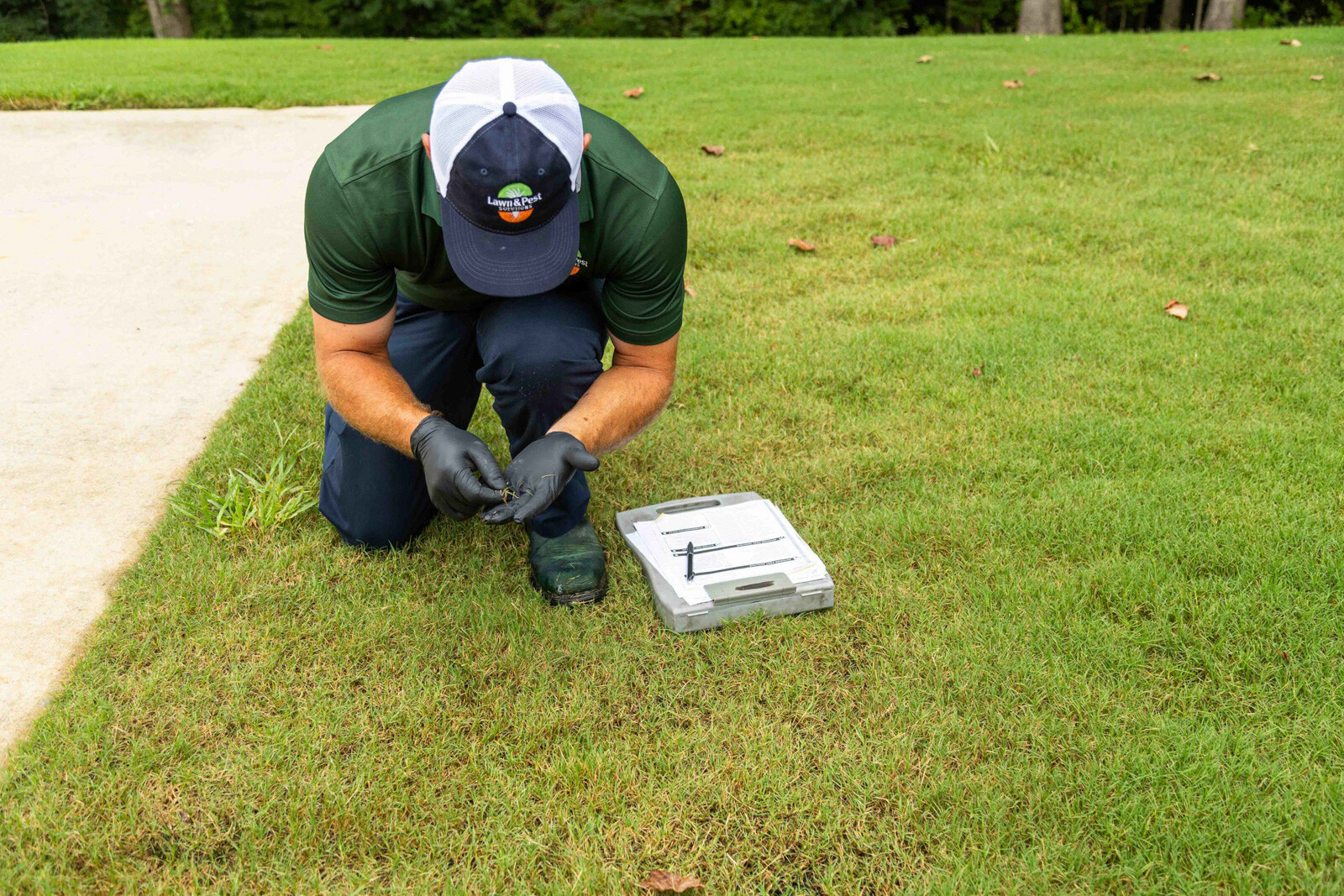
How to Reduce Turf Diseases in Your North Mississippi Lawn
You might notice obvious weed signs like tall, wiry stems that contrast sharply with your lawn's green. But lawn diseases can be harder to spot.
Look for pale yellow circles, rust-colored stains, or dead patches that won't heal. In North Mississippi's warm, humid climate, turf diseases can be sneaky and fast-moving. If not treated promptly, they can turn a healthy lawn into a patchy, stressed disaster.
In this guide, we’ll help you:
- Why Does Lawn Disease Happen - Even in “Good” Lawns?
- Meet the Most Common Lawn Diseases in North Mississippi
- What You Can Do: 6 Key Ways to Prevent Lawn Disease
- When DIY Lawn Care Isn't Enough to Control Disease
Let's learn how to identify, prevent, and ultimately treat these common lawn diseases.
Why Does Lawn Disease Happen - Even in “Good” Lawns?
You might assume that lawn disease only impacts neglected yards, but that’s not the case. Even lawns that look healthy in the spring can quickly deteriorate if environmental conditions shift.
It’s similar to human health—when your body is stressed, fatigued, or dehydrated, you're more prone to illness. Likewise, your lawn's health depends on its surrounding conditions.
Lawns become vulnerable for various reasons. A key issue is stress from poor maintenance, like overmowing and overwatering.
High humidity, rainfall, or evening watering can add to this stress by increasing moisture levels. Soil compaction also affects lawn health by restricting airflow to the roots.
Additionally, nutrient imbalances from excessive or insufficient fertilizer can weaken the grass. Thick thatch layers trap moisture and fungi, further harming the lawn.
The reality? Most turf diseases don’t appear out of nowhere. They’re triggered by a combination of environmental conditions and maintenance habits that tip the balance in favor of disease-causing fungi.
Meet the Most Common Lawn Diseases in North Mississippi
Understanding what you’re dealing with is the first step. Here are three major culprits in our region:
1. Brown Patch
Brown patch tends to develop in hot, humid conditions, which are typical of North Mississippi summers. It shows up as round brown patches, sometimes with a darker rim, and prefers dense, moist grasses like fescue or zoysiagrass.
%20CC.jpg?width=2048&height=1350&name=Brown%20Patch%20(Rhizoctonia%20solani)%20CC.jpg)
Common causes of plant health issues include overwatering, nighttime irrigation, and poor airflow. Overwatering occurs when plants receive excess water, leading to root rot.
Nighttime watering prevents complete drying, thereby increasing the risk of fungal growth. Poor airflow exacerbates moisture retention, creating a humid environment that attracts pests. Addressing these factors is essential for healthy plants.
2. Dollar Spot
Named for the silver-dollar-sized lesions it leaves, this disease is prevalent in undernourished lawns. As it spreads, these patches merge into larger discolored areas.
%20CC.jpg?width=1600&height=1200&name=Dollar%20Spot%20(sclerotinia%20homoeocarpa)%20CC.jpg)
Some common causes of plant stress include low soil nitrogen levels, drought, and compacted soil that inhibits root growth.
3. Rust
You’ll know this one by the orange or yellow dust that rubs off on your shoes. It usually starts small but can spread quickly if the lawn is already under stress.
%20CC.jpg?width=1600&height=1067&name=Lawn%20Rust%20(puccinia)%20CC.jpg)
Common causes of lawn issues include excess shade, damp conditions, and slow-growing grass.
What You Can Do: 6 Key Ways to Prevent Lawn Disease
The best cure for lawn disease is prevention. Maintain these lawn care practices to prevent potential lawn diseases from developing.
1. Water Smart, but Not Too Often
Watering is a common practice that can unintentionally fuel the spread of disease. Too much water, watering at the wrong time, or shallow sprinkling can all invite fungus.
A better approach to watering is to ensure plants receive thorough hydration, aiming for about 1 inch of water per week, including rainfall. It is best to water in the morning, ideally between 5:00 and 9:00 a.m., as this timing helps maximize absorption and minimize evaporation.
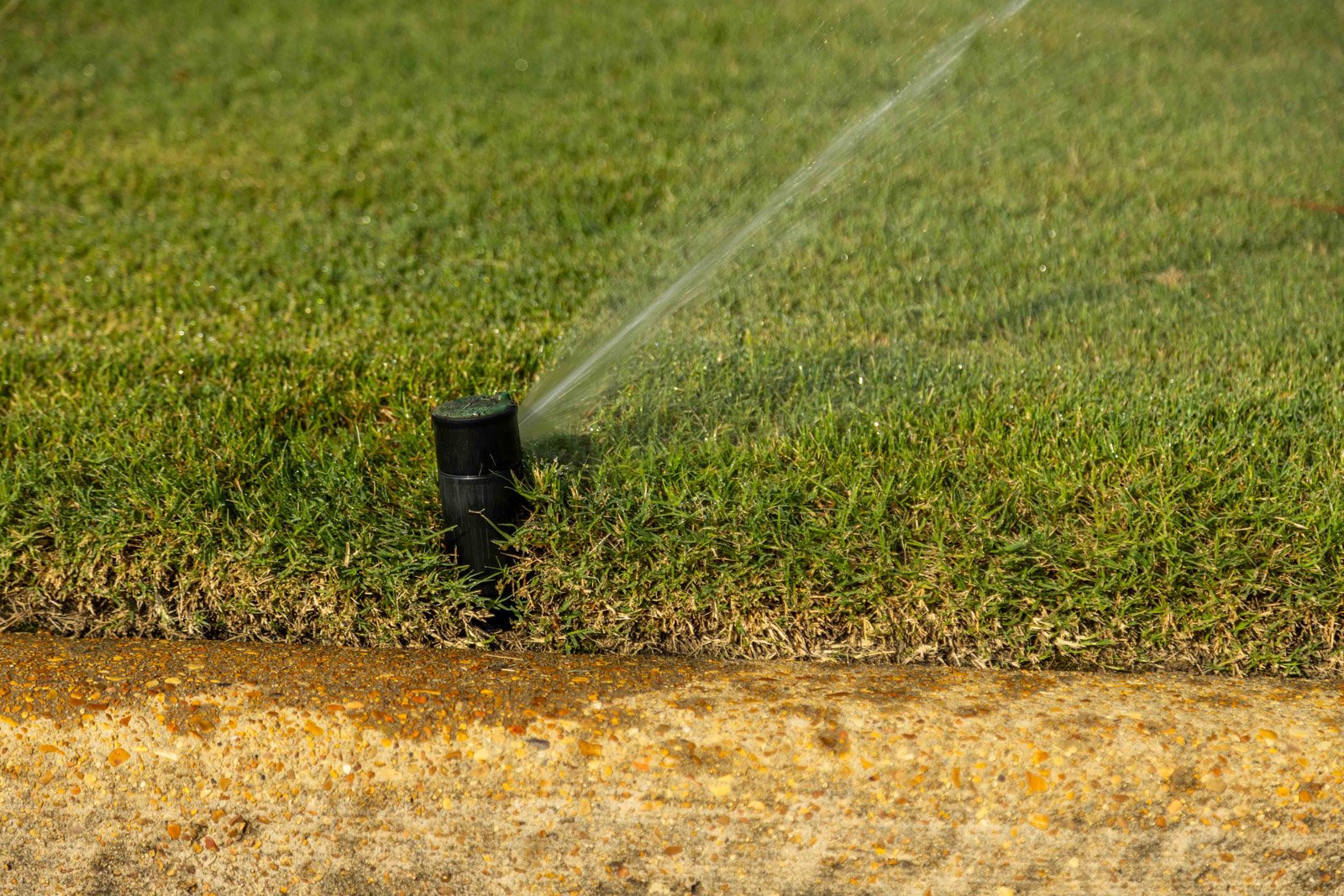
Avoid watering after 6 p.m. to prevent overnight moisture buildup, which can cause various issues for plants.
Remember: roots need to dry out between watering to avoid becoming a breeding ground for fungi.
2. Mow With Precision
Mowing appears simple but often causes turf stress. To support healthy growth, only cut up to one-third of the grass height each time.
Make sure mower blades are sharp for a clean cut. Also, avoid mowing when the grass is wet, as this can raise the risk of disease spread.

Also, know your grass type. Zoysiagrass has different height needs than Bermuda. Improper cutting height weakens your lawn, giving disease a foothold.
3. Feed for Health, Not Just Growth
Fertilizing helps, but applying too much or too little is a problem. Overfertilization encourages rapid growth, making your lawn more vulnerable to disease and other stressors. Underfertilization leaves the lawn weak and defenseless.
An ideal strategy for maintaining your turf involves implementing a balanced fertilization program tailored to its needs. It's essential to apply the appropriate nutrients at the optimal times throughout the year.
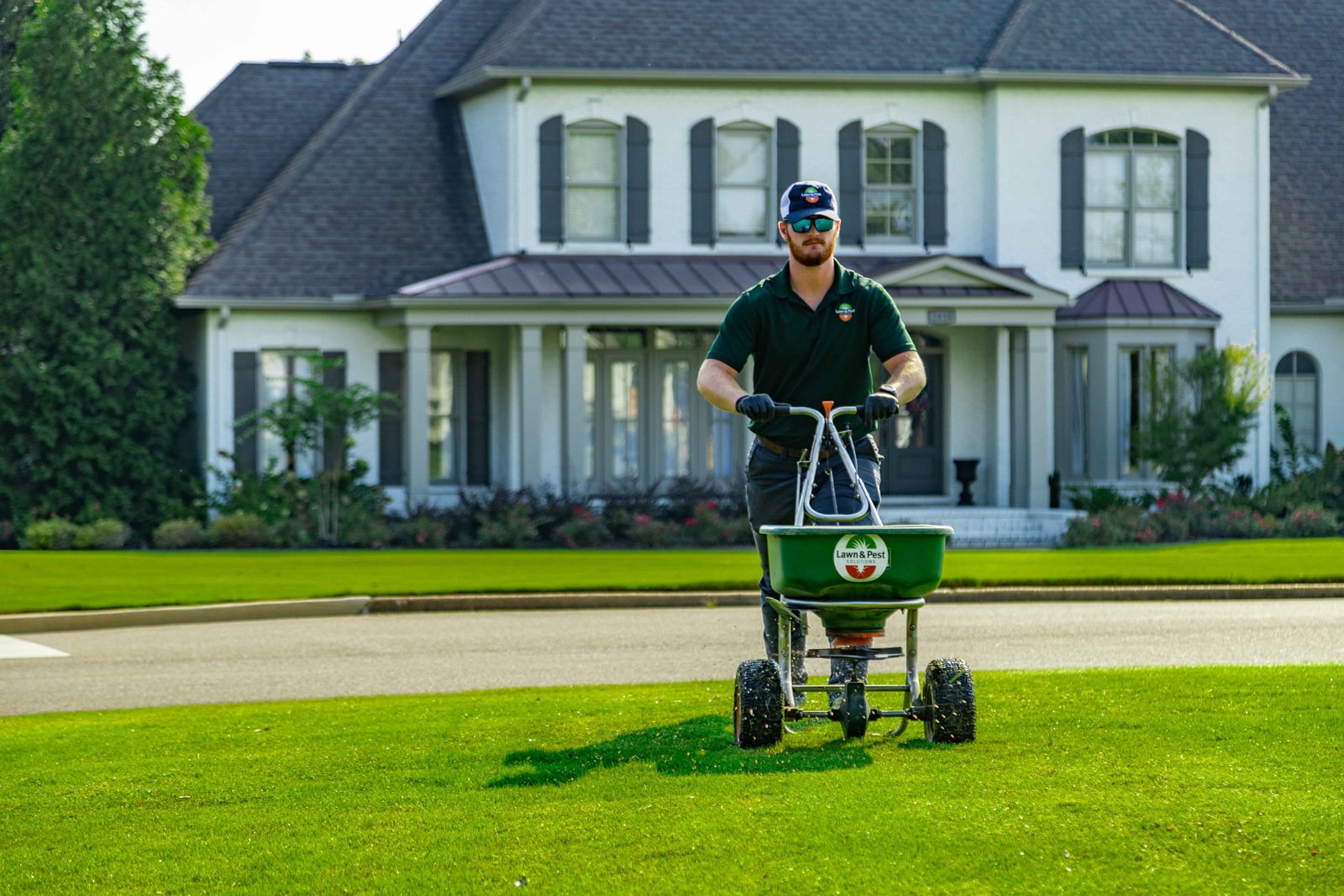
A professional plan also avoids using generic, one-size-fits-all fertilizers sold at box stores.
Professionally-managed fertilization ensures your lawn gets what it needs, without creating conditions that diseases love.
4. Relieve Soil Compaction with Aeration
Over time, foot traffic, mowers, and natural settling compress the soil. This limits airflow, water absorption, and root growth - all essential elements for grass to stay healthy.
Aeration is essential because it enhances soil structure, creating space for roots to thrive. It facilitates the deeper penetration of water and nutrients, which are crucial for plant health.
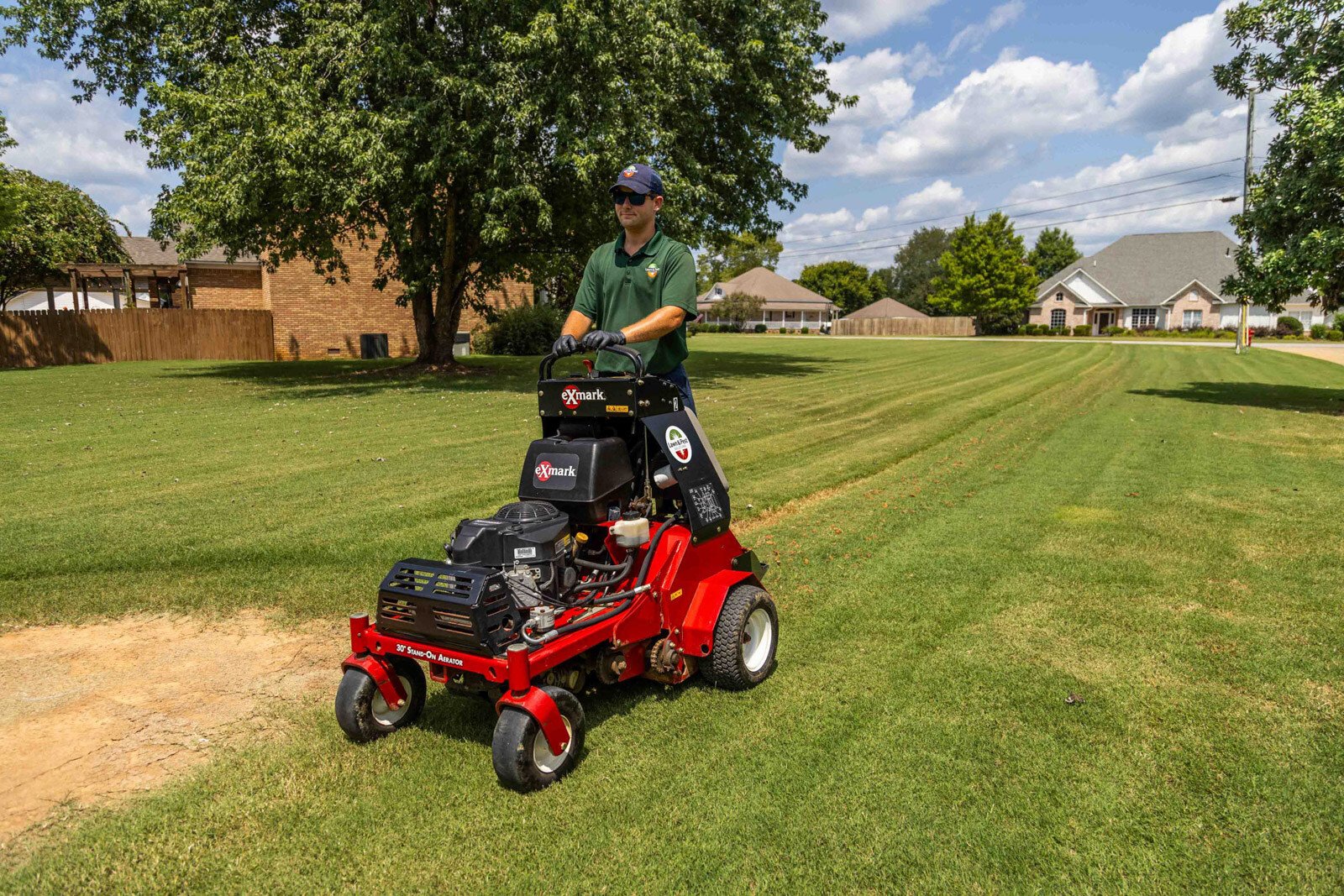
Additionally, aeration helps minimize thatch buildup, preventing moisture and fungal entrapment and promoting a healthier environment for vegetation.
Annual aeration is one of the most overlooked, yet most effective ways to reduce disease risk and enhance lawn resilience.
5. Create a Lawn That Breathes
Disease flourishes in dark, damp conditions. If your yard is shady and air circulation is poor, grass stays moist longer after rain or watering—an ideal environment for fungus.
To enhance airflow, consider pruning nearby shrubs and low branches to allow more sunlight to reach the grass. It's advisable to avoid planting turf in areas that tend to remain consistently damp.
Additionally, consider thinning dense landscaping near turf areas to improve ventilation.
Allowing your lawn to “breathe” may seem insignificant, but it makes a significant difference.
6. Watch, Act, and Ask for Help
Even the most diligent homeowners can’t prevent every issue. That’s why early identification and treatment are key.
If you observe any discolored patches, powdery or rusty substances, or unusual circular shapes or streaks, do not hesitate to take action.

Professional treatment can stop the disease in its tracks. Lawn & Pest Solutions uses proven fungicide applications when necessary, especially for zoysiagrass, which is particularly vulnerable in our area.
When DIY Lawn Care Isn’t Enough
Many homeowners try to fix lawn problems on their own, only to waste time and money chasing the wrong issue. Disease misdiagnosis is common. What appears to be fungus may be pet damage. Or drought. Or nutrient deficiency.
And when it is a disease, using the wrong product or timing treatment poorly can make things worse.
That’s where professional expertise makes all the difference.
At Lawn & Pest Solutions, we help you accurately identify your lawn or pest issues. We apply targeted treatments only when they are necessary, ensuring the health of your lawn. Our goal is to strengthen your lawn to prevent disease recurrence, and we provide reliable answers and advice you can trust.
With over 150 years of combined experience and local expertise, our certified technicians understand what North Mississippi lawns need.
Prevent Lawn Disease With Lawn & Pest Solutions
Lawn disease doesn’t mean your yard is doomed - it just means it’s time to give it the right kind of care.
If you’re tired of guessing what’s wrong or battling brown patches that keep coming back, let’s fix it together. Request a free quote today. We’ll assess your lawn, identify issues, and create a plan that keeps your grass healthy, vibrant, and stress-free.
Image Sources | Dollar Spot, Brown Patch, Rust
Create a Healthier Lawn Today
