
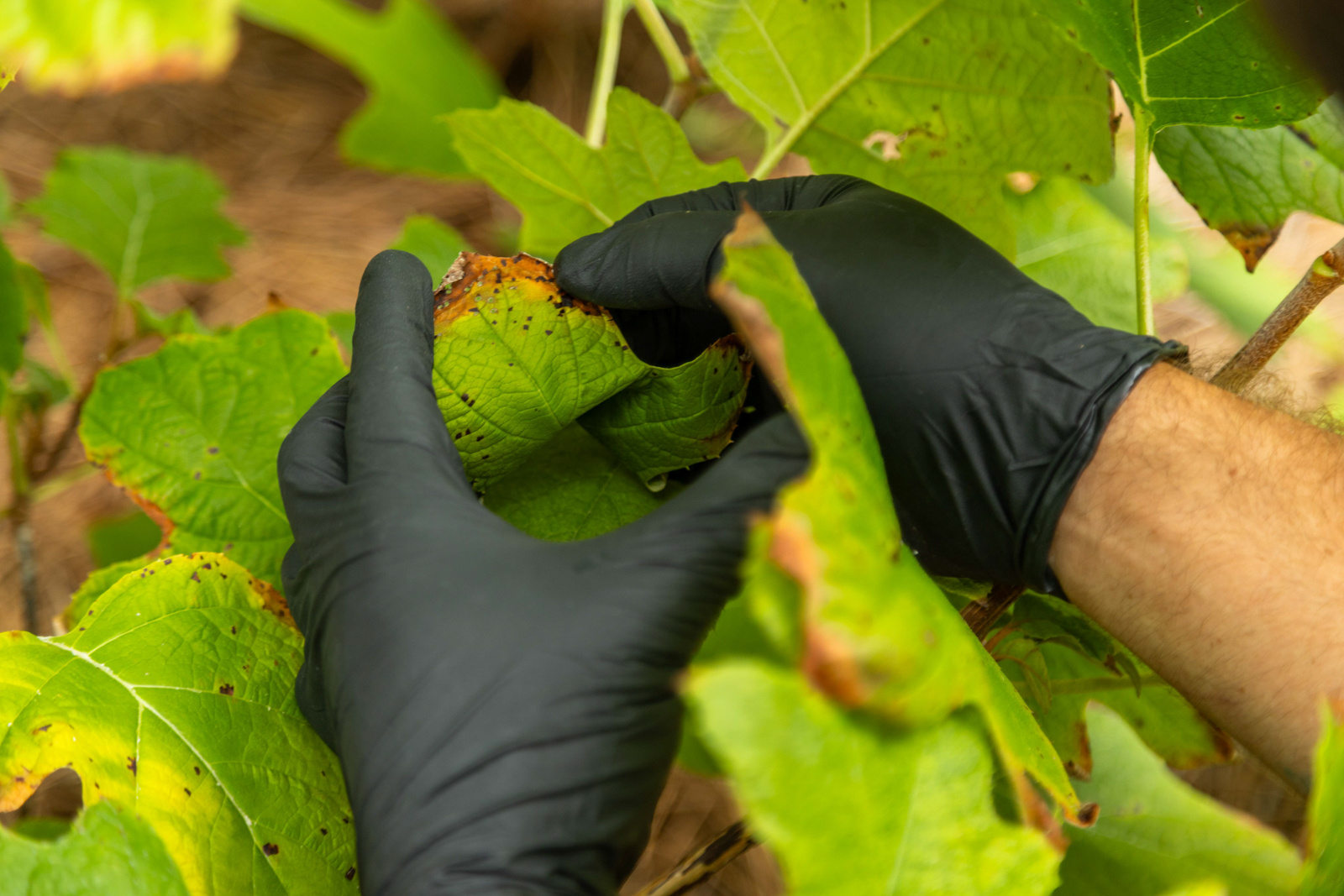
How to Tell If Your Shrub Is Dying - And What You Can Do About It
Shrubs are an important part of your North Mississippi landscape. It’s frustrating when you see a shrub declining and you don’t know why. But the key is to catch these problems early, while they can still be fixed.
Jump to Section
- Why are my shrubs turning brown?
- Common causes of dying shrubs
- When should shrubs be replaced instead of treated?
- Dead shrub vs. dormant shrub: What’s the difference?
- FAQs about dying shrubs
- Choosing Tree & Shrub Health Services in North MS
There are various reasons why your shrub may be dying. In this article, we’ll dive into shrub dying signs and what they might mean.
Whenever in doubt, it’s always best to reach out to a shrub health care professional who can help steer you in the right direction.
Why are my shrubs turning brown?
When homeowners walk outside and see a shrub turning brown, it’s easy to panic. But there is no simple answer to why this might be occurring as there are many potential causes.
Aside from turning brown some of the common dying shrub signs include:
- Discolored growth (often shrubs turn yellow before turning brown)
- Limb dieback
- Foliage shedding
- Distorted growth
Some of the potential causes for this can include shrub pest damage, disease damage, accidents, soil problems, or even watering mistakes.
Common causes of dying shrubs
North Mississippi shrub care can be complicated as there are many potential reasons for a shrub to decline.

Here are some of the common culprits.
Watering problems
Shrubs suffering from drought damage can turn brown and die. This is often what homeowners first suspect. But people are surprised to learn that overwatering can also cause a shrub to turn brown and die. Too much water can drown the roots and prevent the shrub from receiving oxygen.
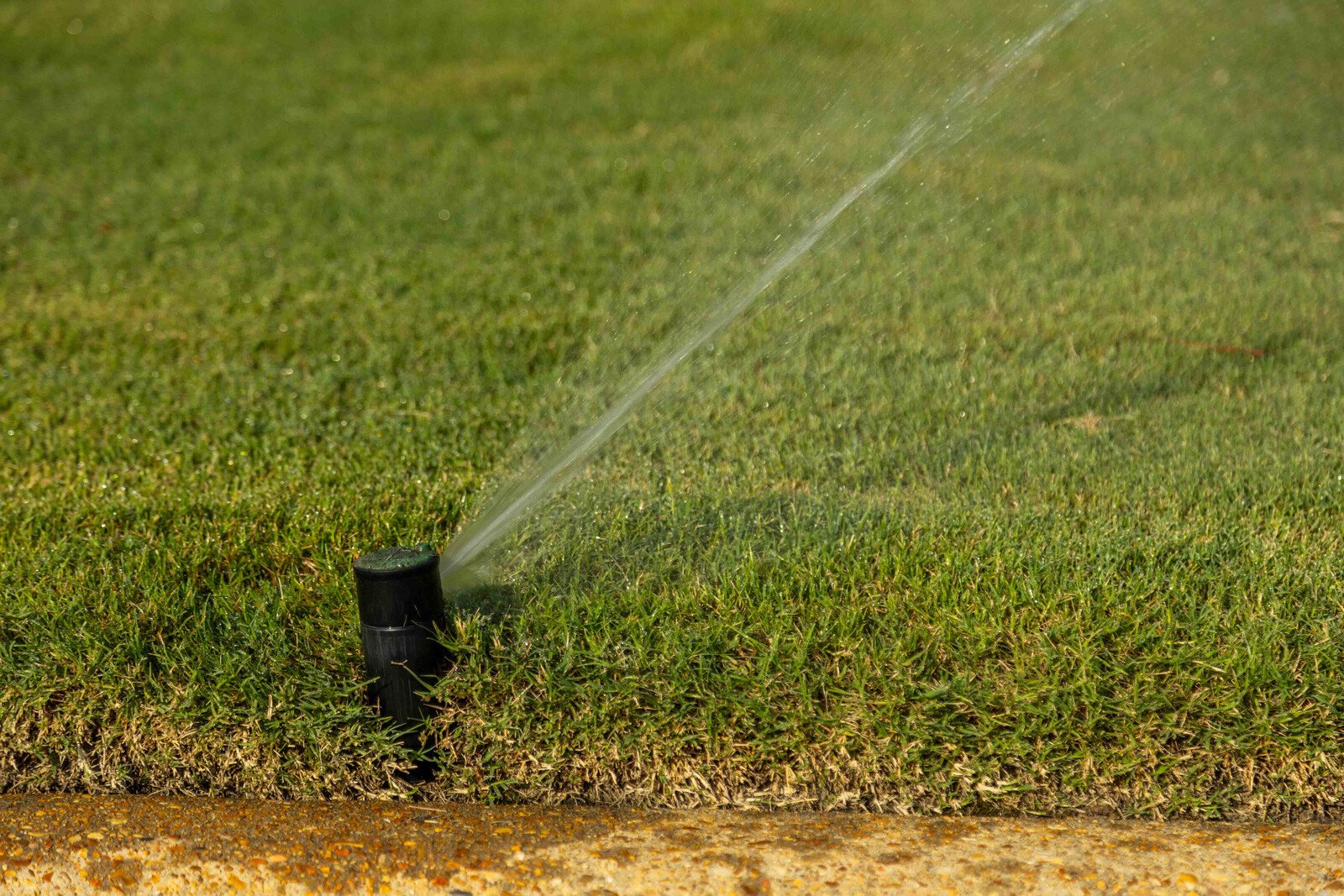
Both underwatered and overwatered shrubs can turn brown. But there are a few differences you might note.
Signs of underwatered shrubs
- Dry soil
- Leaves turn yellow before turning brown
- Leaves wilt, curl, and fall off
Signs of an overwatered shrub
- Soil is soggy
- Mushroom or fungal growth around the base
- Foliage is wilted even with soggy soil
- Limp and mushy leaves
Shrub pest damage
Shrubs can also suffer from pest damage. Some of the common pests in North Mississippi include bark scale, armored scale, aphids, lace bugs, and mites.
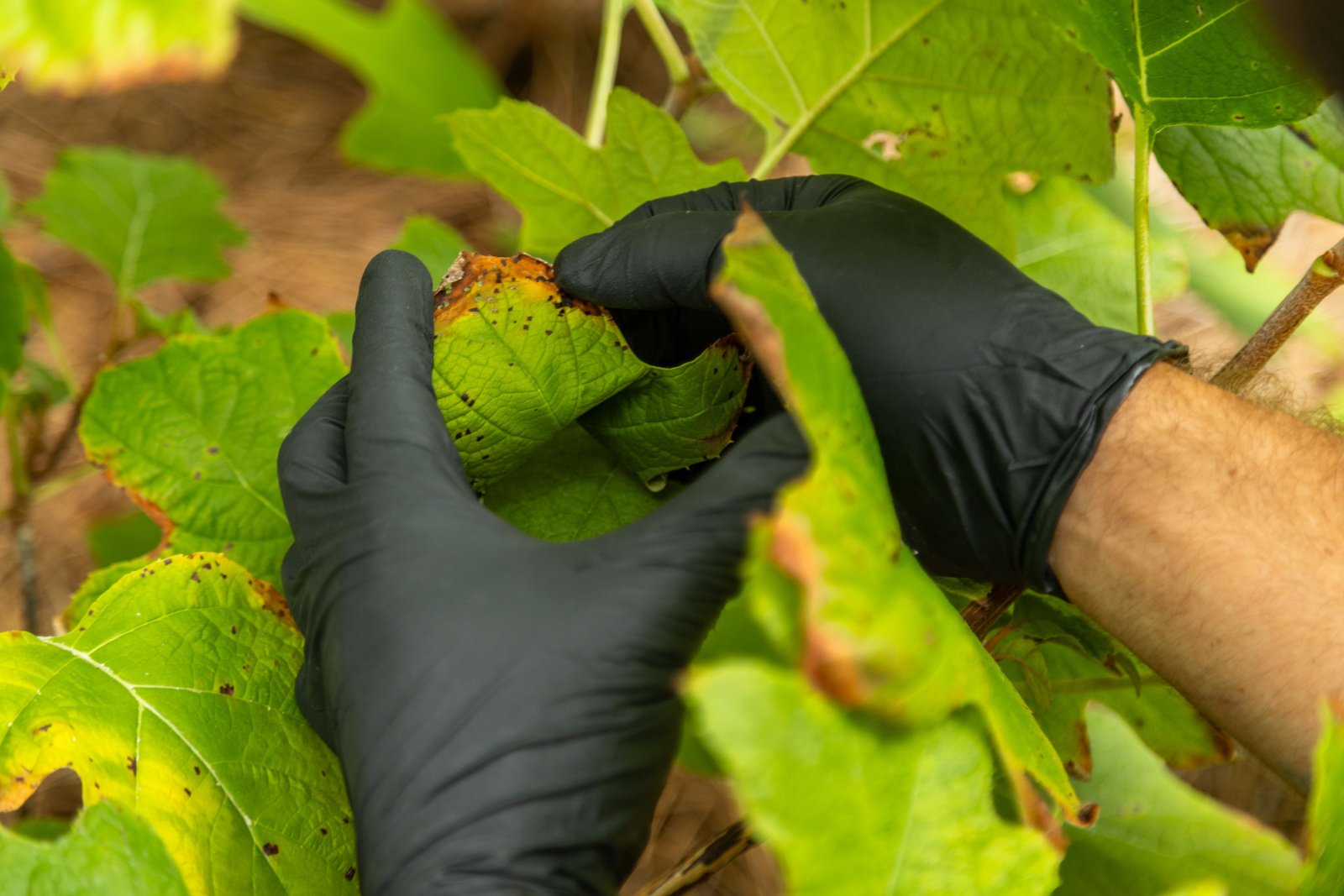
Shrub pests can use their piercing, sucking mouthparts to suck sap from your shrubs. Others might directly damage foliage by feeding on it. If left unattended for too long, shrub pest damage can become severe, causing your shrub to turn brown and die.
Shrub disease damage
There are also various diseases that can wreak havoc on your landscape. Some common ones we see in our region include verticillium wilt, bacterial leaf spot, powdery mildew, rose rosette, and fungal leaf spot.
There are shrub fungus treatments for some diseases that can save your plant if caught in the early stages. It often depends on what you’re dealing with and how severe it is.
When should shrubs be replaced instead of treated?
Ultimately, whether a shrub should be treated or replaced depends on exactly what you’re dealing with.
While we’ve mentioned there are shrub disease treatments available, some diseases necessitate replacement. The same goes for shrub pest damage. If the damage is already severe and the shrub is ravaged, it might not bounce back, even with treatment.
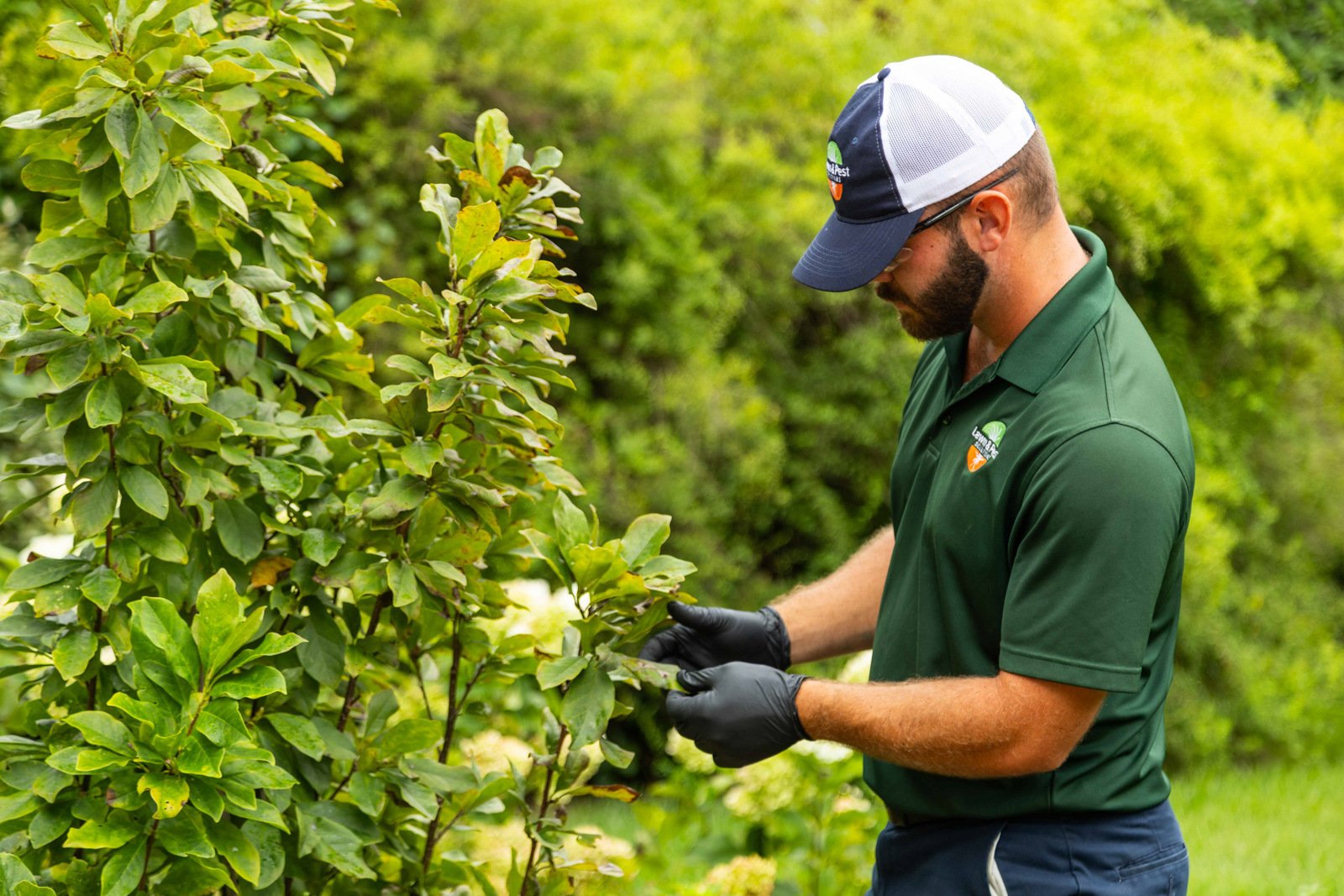
Often, this comes down to a case-by-case decision. If the plant is a focal point of the landscape, the best option may be to replace it.
One issue many do not understand is that once a fine-needle evergreen plant drops its needles, or the majority of the plant is brown, it will not green up again. This is in contrast to broadleaf evergreens such as holly, which will have brown leaves drop and then still produce new foliage.
Since many factors are involved, it’s worth consulting a tree and shrub care technician who can help you make the best choice for your landscape.
Dead shrub vs. dormant shrub: What’s the difference?
Shrubs in North Mississippi can enter dormancy, especially during the cooler months (fall into winter). During this time, daylight hours are shorter, and dormancy helps conserve energy.
A dormant shrub is inactive but alive, while a dead shrub has no living tissue and will not recover from this state.
The easiest way to tell the difference is with something called the “scratch test.” Scratch a small section of the bark and look at what’s underneath. If it is green, moist tissue, then this shrub is still alive. If it is brown, dry tissue, the shrub is probably dead.
With a dormant (but living) shrub, branches also tend to bend easily without breaking. But with a dead shrub, the branches will be brittle and snap.
FAQs about dying shrubs
Before we wrap up, let’s answer a few of the most commonly asked questions.
How can you tell if a shrub is dying?
Some of the most common signs include discolored growth, brown leaves, limb dieback, and distorted growth. But you can also perform the “scratch test.” When you scratch the bark, if the tissue is green and moist, it’s still alive. But if it is dry and brown, it might be dead.
Can dead shrubs come back to life?
We often find that homeowners misdiagnose their shrub as “dead” when it still has living parts. All too often, what you think is dead may come back. Be patient. Scratch the bark below the damaged area. If still green, then severe prune (aka “rejuvenation pruning”) and be patient. Your "dead" plant may generate new growth.
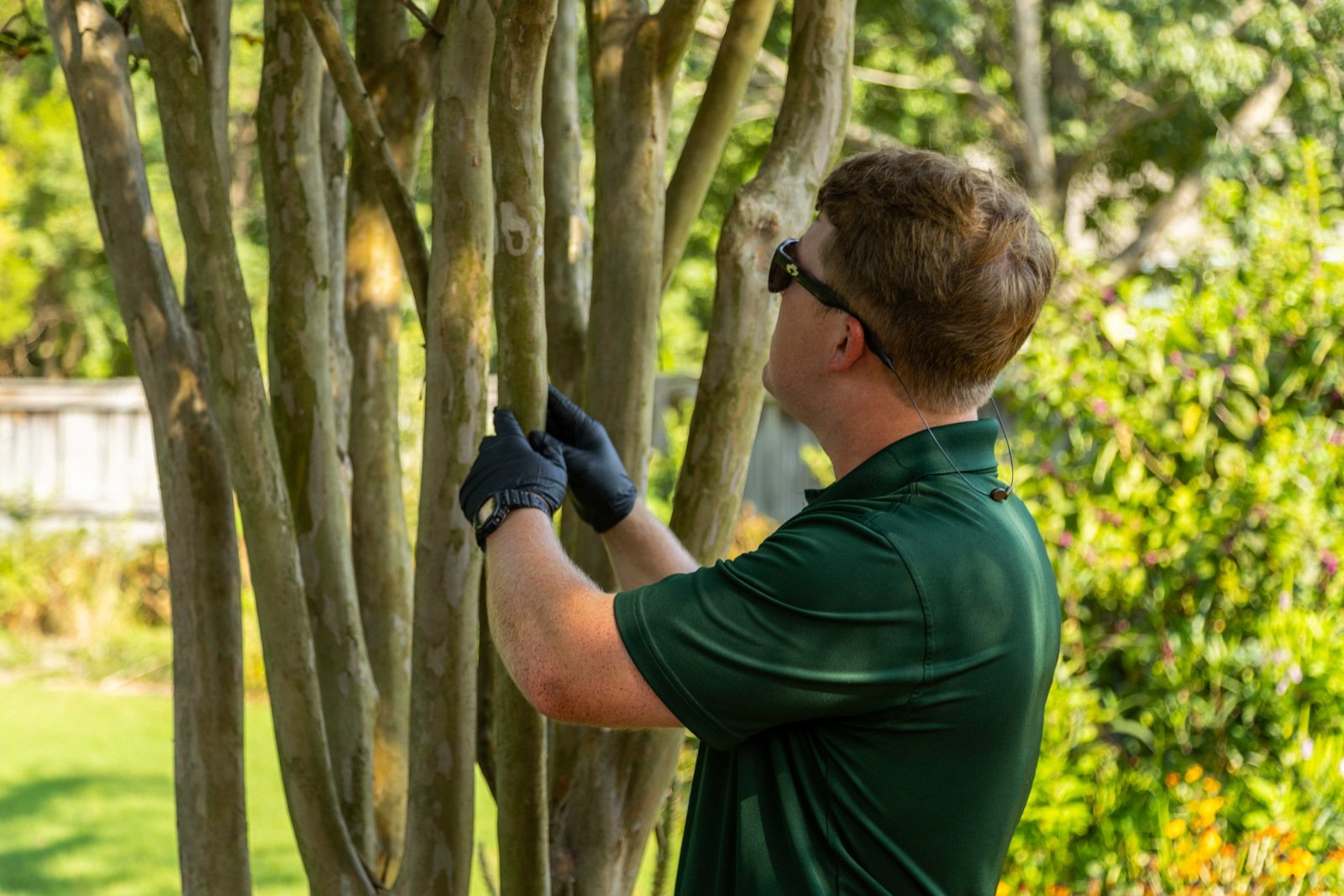
The severe pruning is important though to generate new growth. A dead, brown limb is dead. Getting it off the plant can stimulate new activity.
How do you save a dying shrub?
First, the cause must be identified. This determines the next steps. There are different treatments depending on the cause. Often, time is of the essence, so you’ll want to rely on a pro for help and advice.
What pests and diseases damage ornamental shrubs?
Unfortunately, there are many shrub diseases and pests here in North Mississippi. Some of the most common include verticillium wilt, bacterial leaf spot, powdery mildew, rose rosette (virus), bark scale, armored scale, aphids, lace bugs, mites, root rot, and fungal leaf spot.
Choosing Tree & Shrub Health Services in North MS
The last thing that you want to do is ignore plant health care. It can often be more costly than paying to prevent issues. Once your trees and shrubs succumb to plant diseases, pests, or other stresses, the money, time, and stress it can cause ends up being more overwhelming than investing in ornamental shrub care.
Chances are, you’ve invested in your Tupelo, New Albany, Oxford, Hernando, or Olive Branch landscaping…and you want to protect that investment. This is where choosing professional tree and shrub health services can make a world of difference.
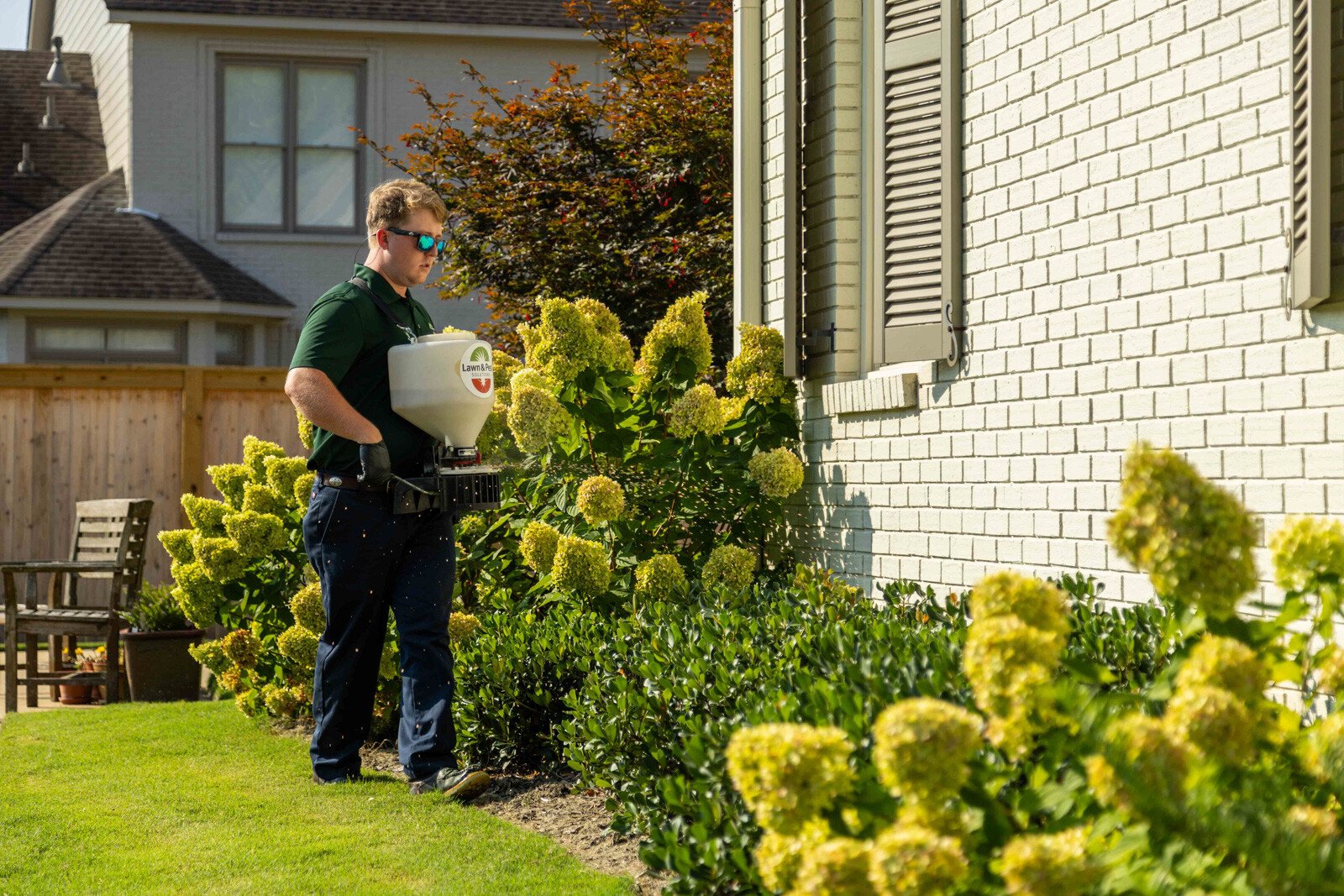
Not sure where to start? Give Lawn & Pest Solutions a call. We can take care of these key assets in your landscape with complete plant health care services. That means we can help you identify why your shrubs might be turning brown. We can also prevent many of these problems in the first place.
The end result means a landscape that you can be proud to show off.
Want to improve your tree and shrub health and create a happier overall landscape in North MS? Lawn & Pest Solutions can help. Get started today with a free quote. Together, we’ll customize a plan that gives you the most attractive landscape on the block.
Let's Protect Your Treasured Plants
