
Is That a Weed, or Grass? Spotting 5 Grassy Lawn Weeds in North Mississippi
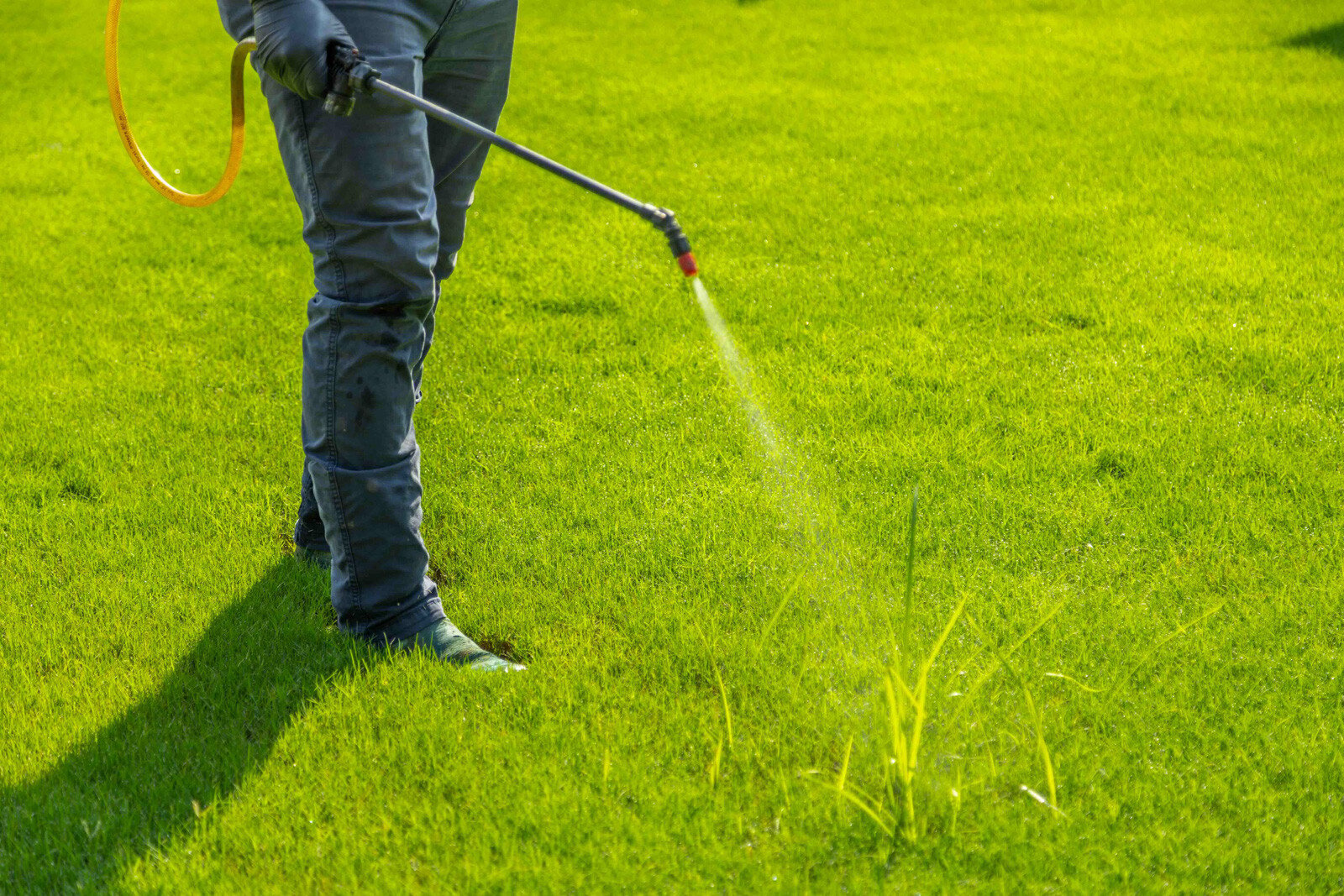
Grassy lawn weeds are common here in North Mississippi. Unfortunately, grassy weeds are a significant nuisance due to their rapid spread and their often difficult-to-control nature.
Of course, homeowners often find themselves confused by weeds that look like grass, sometimes wondering What is this weird grass growing in my lawn?
Jump to Section
- How Do You Identify Grassy Weeds in Your Lawn?
- How Do You Get Rid of Grassy Weeds?
- What Is the Best Method of Keeping Grassy Weeds Out of Your Lawn?
- Choosing a Lawn Service in Tupelo, Oxford & New Albany, MS
In this article, we’ll share everything you ought to know about grassy weeds and what to do about them.
How Do You Identify Grassy Weeds in Your Lawn?
Identification is an essential step in controlling grassy weeds, as you need to figure out what is growing in your lawn to control them effectively.
The five most common grassy lawn weeds in our region are nutgrass, dallisgrass, johnsongrass, goosegrass, and crabgrass.
Let’s talk about each of these.
Nutgrass
Nutgrass, which is the common name for nutsedge, is a really difficult-to-control weed. However, it looks like a grassy weed (and is sometimes misidentified as crabgrass). Nutgrass is actually a perennial weed in the sedge family. Sedge weeds tend to be aggressive weeds, and it’s no different with nutsedge.
We’re still including it on our list since it so commonly resembles grass.
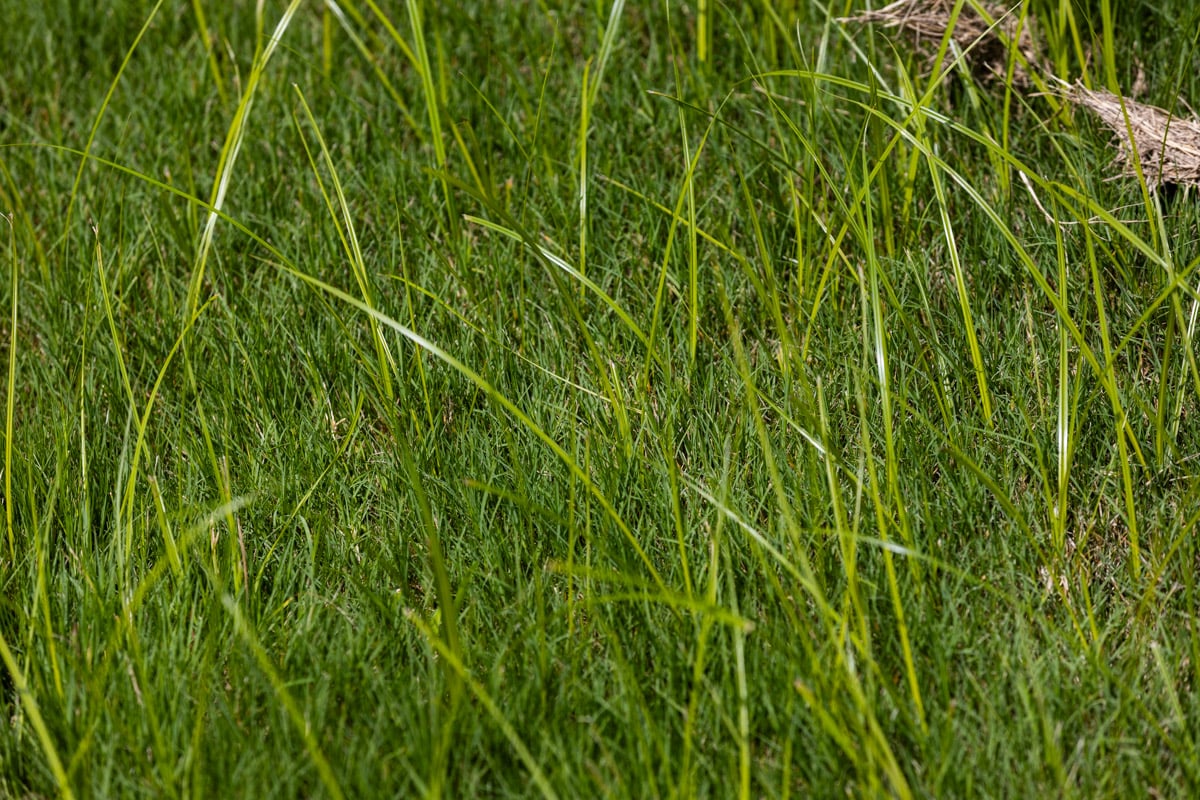
A differentiator between nutgrass and real grass is the stem: nutgrass has a triangular, three-sided stem, unlike grass, which is hollow. Nutgrass also reproduces via underground tubers called “nutlets.”
There are two common types of nutgrass in our region, yellow and purple.
Even though purple nutsedge produces more tubers, the yellow still produces thousands of nutlets in patches several feet wide. As these spread underground, shoots emerge and form new plants.

While underground at depths of 6” to 18”, nutlets might hide and survive for up to 10 years before emerging again. Buried at depths like that, they are protected from cold weather and common treatments for killing nutgrass. This is yet another reason why this weed is such a challenge!
Dallisgrass
Dallisgrass is a grassy weed often mistaken for crabgrass or Johnsongrass.
Like other weeds, dallisgrass grows in clumps and protrudes from the lawn due to its bunched appearance. It has coarse leaves and tall seed stalks and appears in a distinct grayish/green color. One way that it can be distinguished from crabgrass is by its black seeds.
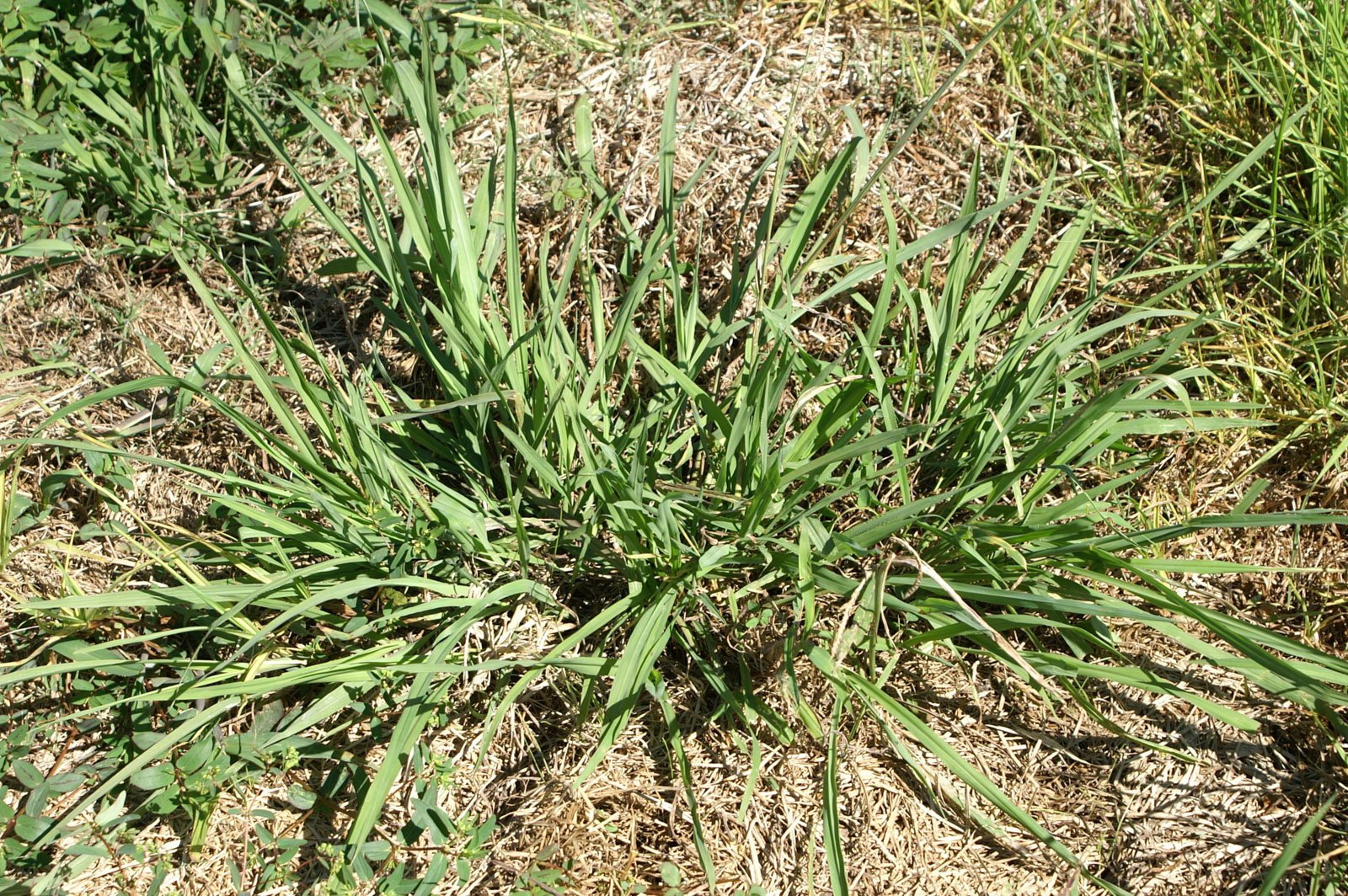
In addition, dallisgrass forms circular clumps, while johnsongrass spreads across the lawn (and tends to grow much taller).
Johnsongrass
Outgrowing the rest of your lawn very quickly, johnsongrass is known for producing many seed heads and spreading rapidly. It was first introduced as a forage crop but has become a problematic weed in many areas of the country.

Johnsongrass is incredibly invasive and grows quite fast. If left alone, it can grow as tall as 7 feet, which you may have seen on roadsides.
Goosegrass
This summer annual weed thrives in compacted and poorly draining soil where healthy grass will struggle to grow. Among the various grassy lawn weeds, this is another commonly mistaken for crabgrass.
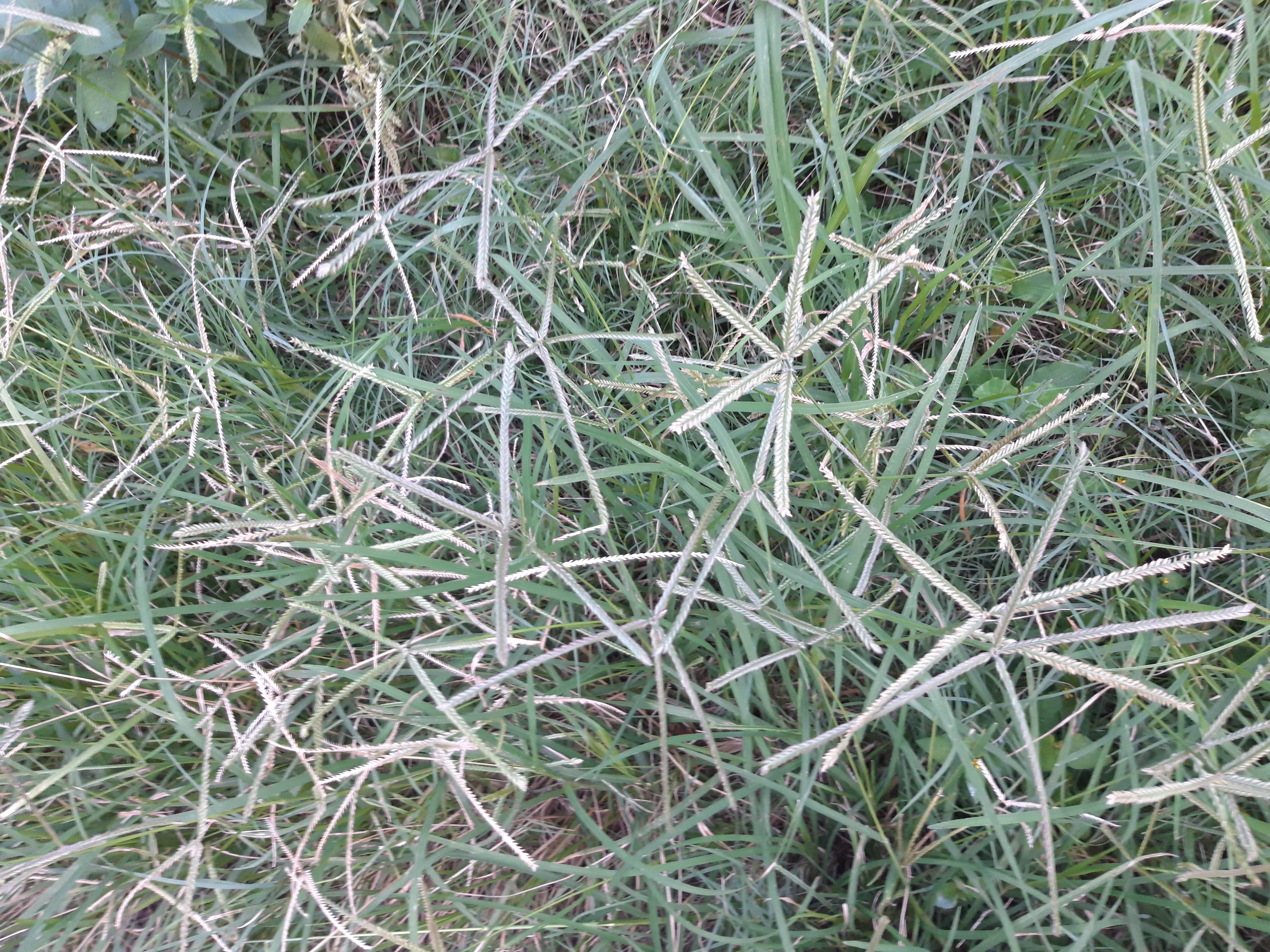
The best way to identify them separately is by their significantly flattened, whitish stems at the base. This is different from crabgrass, which has longer blades that resemble fingers.
Crabgrass
Crabgrass is a common grassy weed that frequently pops up in lawns in our region. It begins germinating in the soil in spring, and if left unchecked, it usually really kicks into high gear in June and July.
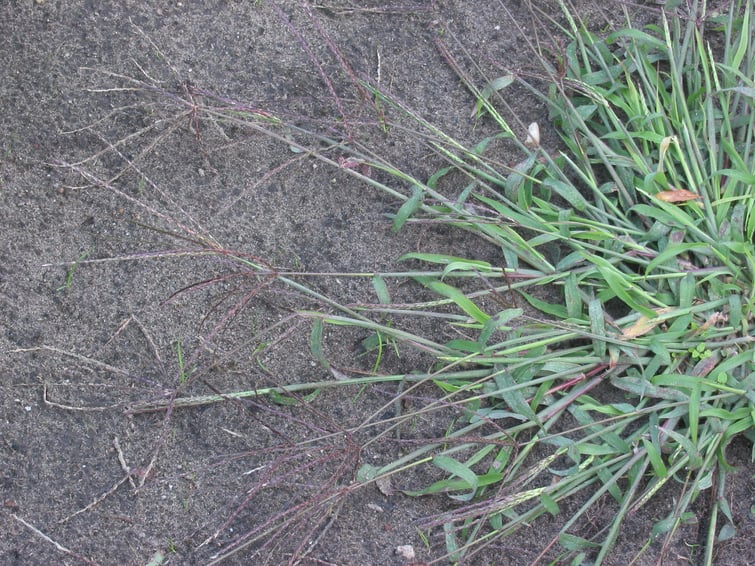
This weed looks like a coarse clump of grass that tends to stick out from your lawn because it grows taller and faster. It’s also typically lighter in color than the rest of your lawn and may appear yellowish-greenish.
Crabgrass loves thin lawn areas, and once crabgrass gets thick and strong, it can actually start to outcompete your lawn. It leaves bare regions in its path that you have to fix later, or else they are continually vulnerable to crabgrass.
How Do You Get Rid of Grassy Weeds?
As with any lawn weeds, getting rid of grassy weeds will require a combination of pre-emergents, post-emergents, and good cultural practices. It’s essential to keep in mind that there is no singular solution to weeds, just like there is no one-size-fits-all approach. Every situation is going to be different.
While pre-emergents can stop the germination of many grass weeds (since they grow from seeds), they won’t work on weeds that are already growing.
In addition, you’ll require specialty controls for nutgrass, which, as we’ve mentioned, is not actually a grassy weed.
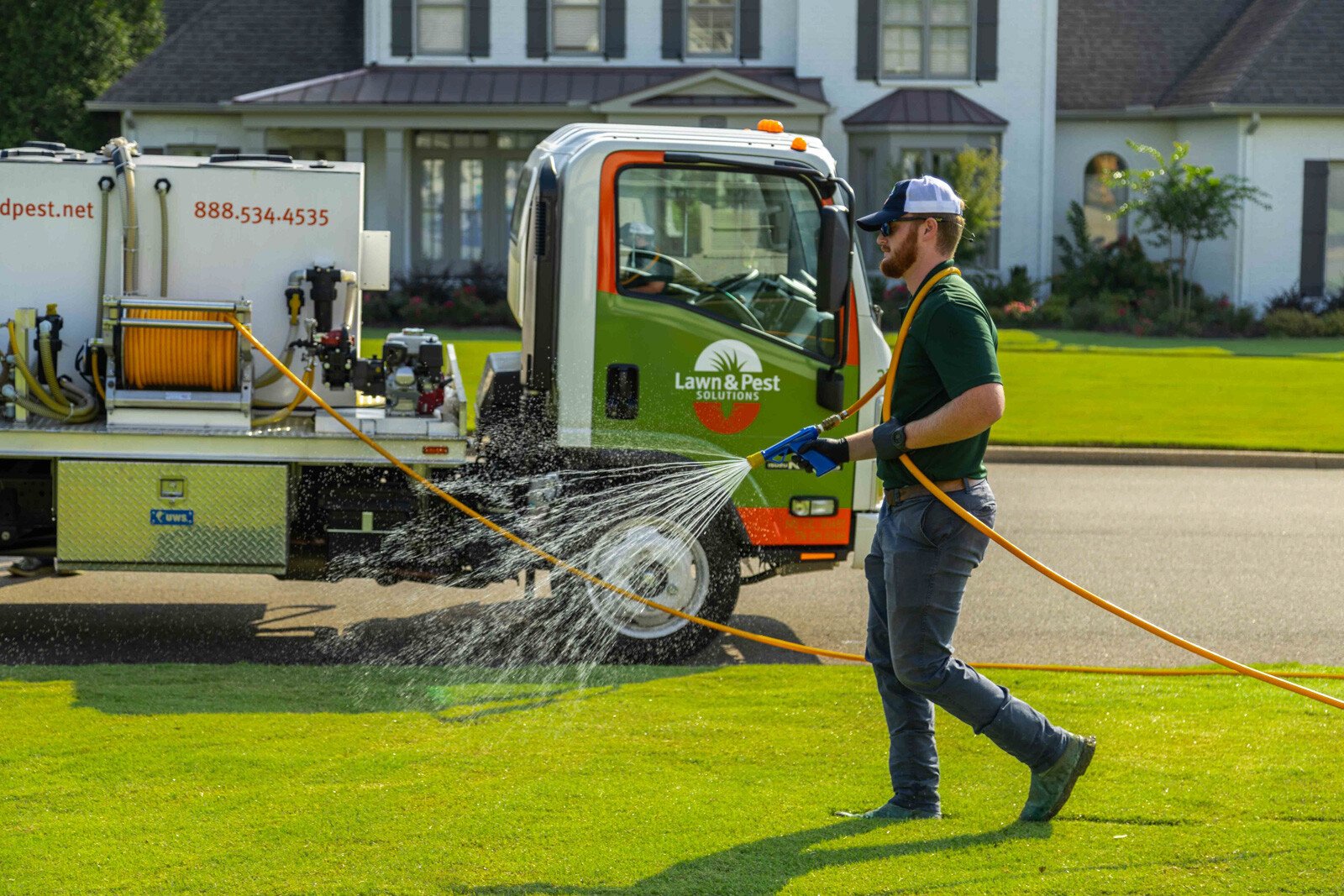
Every lawn should have a customized weed-control strategy tailored to what is happening specifically on it. If you have a lot of grassy weeds already established in the lawn, you’ll want to talk to a lawn care provider about the best approach to dealing with those weeds.
In general, good cultural lawn care practices, such as regular fertilization, proper mowing, and adequate watering, can help promote a thick, healthy lawn that naturally chokes out weeds.
What Is the Best Method of Keeping Grassy Weeds Out of Your Lawn?
When possible, a proactive approach is always optimal. If you can take steps to keep grassy weeds out of your lawn in the first place, that’s a lot easier than trying to control them after they’ve started to grow and spread.
This would mean using pre-emergents when applicable.
Pre-emergent weed controls prevent weeds from germinating in the first place. They achieve this by forming a barrier that inhibits germination. This is different from post-emergent weed controls, which kill weeds that have already started to grow.
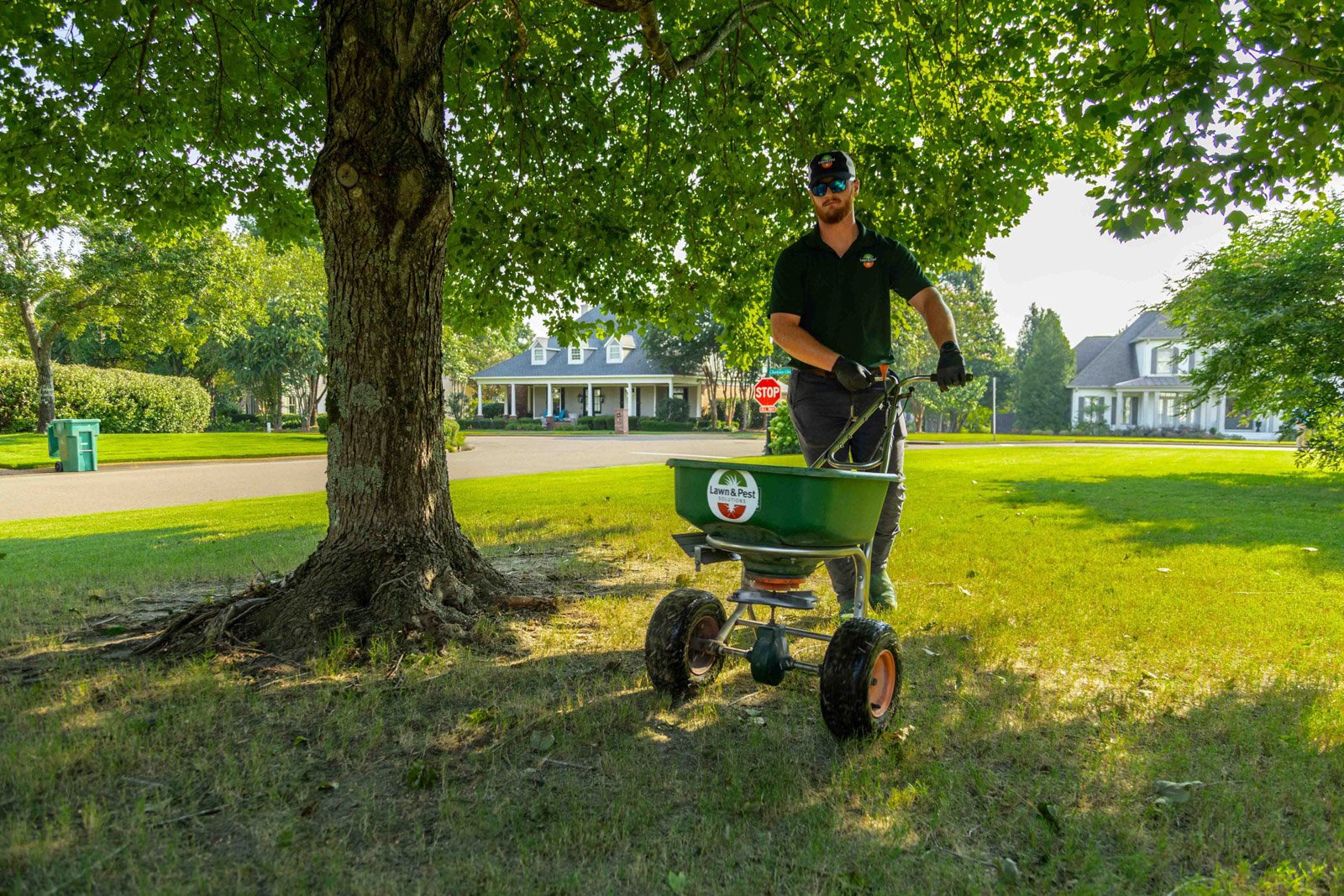
While we would love to use pre-emergent on everything (after all, prevention is always the best course of action), no pre-emergent works on all weed varieties. Many weed types have to be addressed post-emergently, or even some that require specialized controls, including nutgrass.
Good cultural practices also help prevent grassy weeds. That’s because these practices go a really long way toward promoting a thick, healthy lawn that chokes out unwanted weeds.
Here are a few of the cultural habits that are important to keeping weeds from invading the lawn:
- Proper mowing: When you cut the lawn too short, you stress it. A stressed-out, thin lawn is more likely to be invaded than a healthy, thriving lawn. This includes being careful not to scalp the edges of your lawn with your trimmer. Scalping is a common mistake, and these areas tend to be hot spots for grassy weeds.
- Regular watering: Water your lawn in the summer to keep turf from weakening and thinning. When grass is thick, it can choke out unwanted weeds in lawns. It’s not uncommon for homeowners to think their lawn is getting more water than it really is. If you do not have an irrigation system, then get a simple device like a rain gauge to at least measure how much water your lawn is really receiving.
- Routine lawn care: Maintain a thick lawn with a comprehensive program that includes key services like fertilization. The thicker and healthier your turf is, the better it will stand up against weeds. You want to do what you can to avoid bare spots, as these are where weeds can creep in and take over.
Choosing a Lawn Service in Tupelo, Oxford & New Albany, MS
Grassy weeds in the lawn are a significant source of frustration. They can be tough to get rid of, and you might find yourself in an endless cycle of trying different approaches that aren’t working.
That’s why you’ll want to partner with the right lawn care professional.
Your options certainly aren’t limited when it comes to choosing a lawn service in Tupelo, Oxford, and New Albany, MS. But you want to make sure that you’re putting thought into this choice.
While there are lots of companies that can help you fertilize your lawn or treat your weeds, you also want a company that is going to treat you right. You don’t want to have to make phone calls that go unanswered or work with a revolving door of technicians. You want to find a lawn care partner that you can trust.
You deserve this much when you are paying for their services.
At Lawn & Pest Solutions, we’re here to help. We know homeowners can become frustrated with lawn care companies if they’ve had past struggles. But we’ve built our company to be different.
If you have any questions, you can always reach out. Whether you choose our company or someone else, we want you to be happy with your decision.
Want to improve your lawn’s health and create a thicker, greener lawn that is more resistant to weeds? Lawn & Pest Solutions can help you with lawn care in North Mississippi. Get started today with a free quote. Together, we’ll customize a plan that gives you the most attractive lawn on the block.
Image Sources | Goosegrass, Dallisgrass, Crabgrass
Clear Out Hidden Weeds in Your Lawn
